
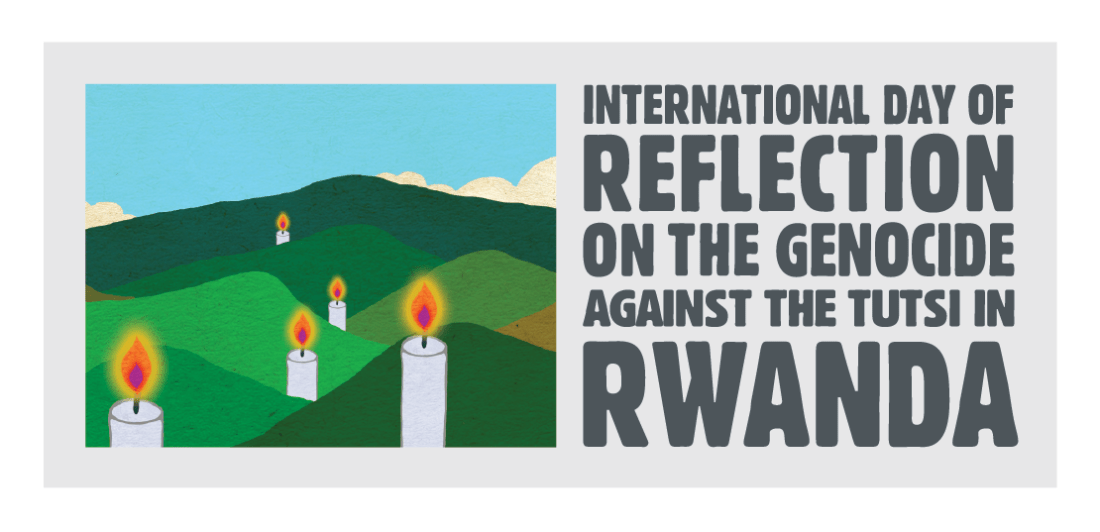
 April 7th is “International Day of Reflection on the 1994 Genocide against the Tutsi in Rwanda.” It was so designated in January of this year by the United Nations General Assembly. In Rwanda, the remembrance of the Genocide Against the Tutsi officially begins on April 7th, the day the genocide began in 1994, and it ends in July. The genocide lasted 100 days, into mid-July. Everyone living in Rwanda is aware that remembrance and reflection events will be taking place throughout the country this week beginning today. Schools are closed during this period. Shops are closed during the times that the government has designated for people to come together for speeches and conversations about the genocide. Flags fly at half mast in memory of the approximately 800,000 victims of the genocide. It is a solemn, contemplative time for everyone to reflect on how this could have happened and how to ensure that it will not happen again. It is also a time to remember those who were killed or forever affected by the 1994 horror.
The 1994 genocide specifically targeted Tutsis. There has not been an exact count of the numbers killed, but the estimates are between 500,000 and one million people. Everyone in the country was impacted in some way and so many people displaced. Additionally, many Hutus and others were murdered for their opposition to the atrocities being committed against the Tutsis.
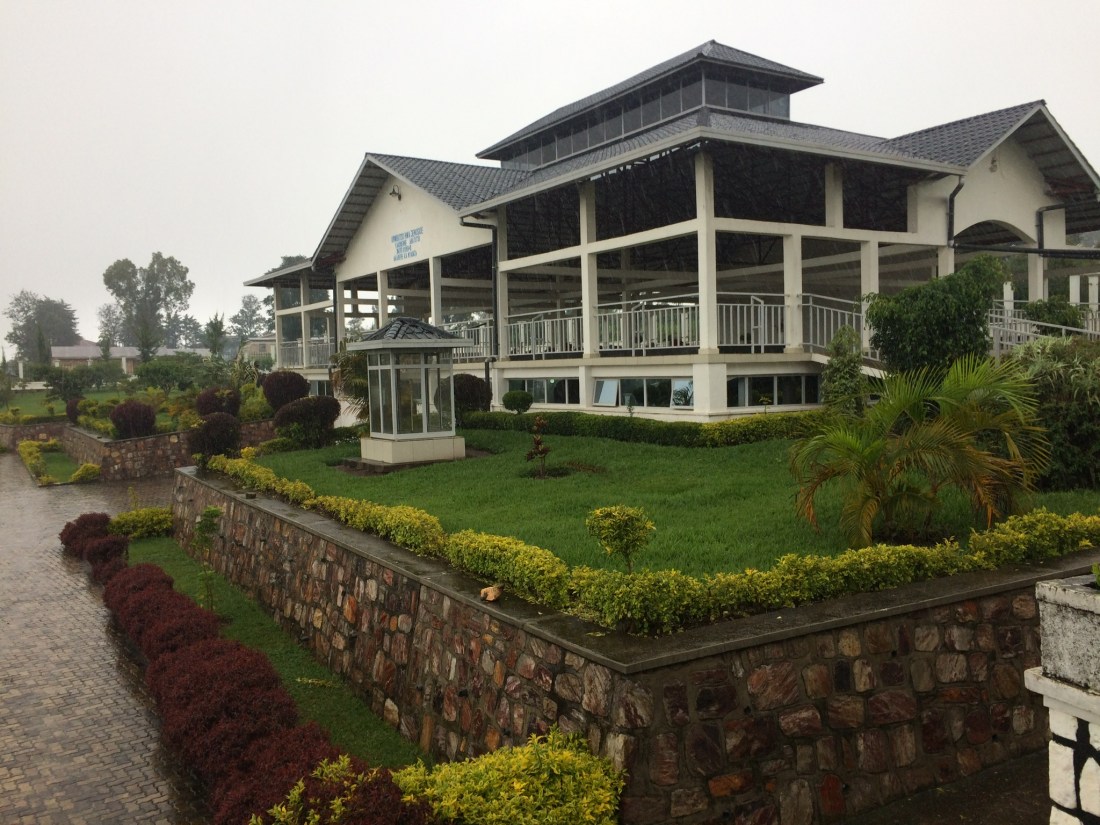
I attended a reflection event at a Genocide memorial in Nyanza. As I walked to the site, I noticed that the normally bustling street was quiet. The usual ubiquitous motorcycle- and bicycle-taxis were absent. A few people were walking, going to various sites of reflection events.
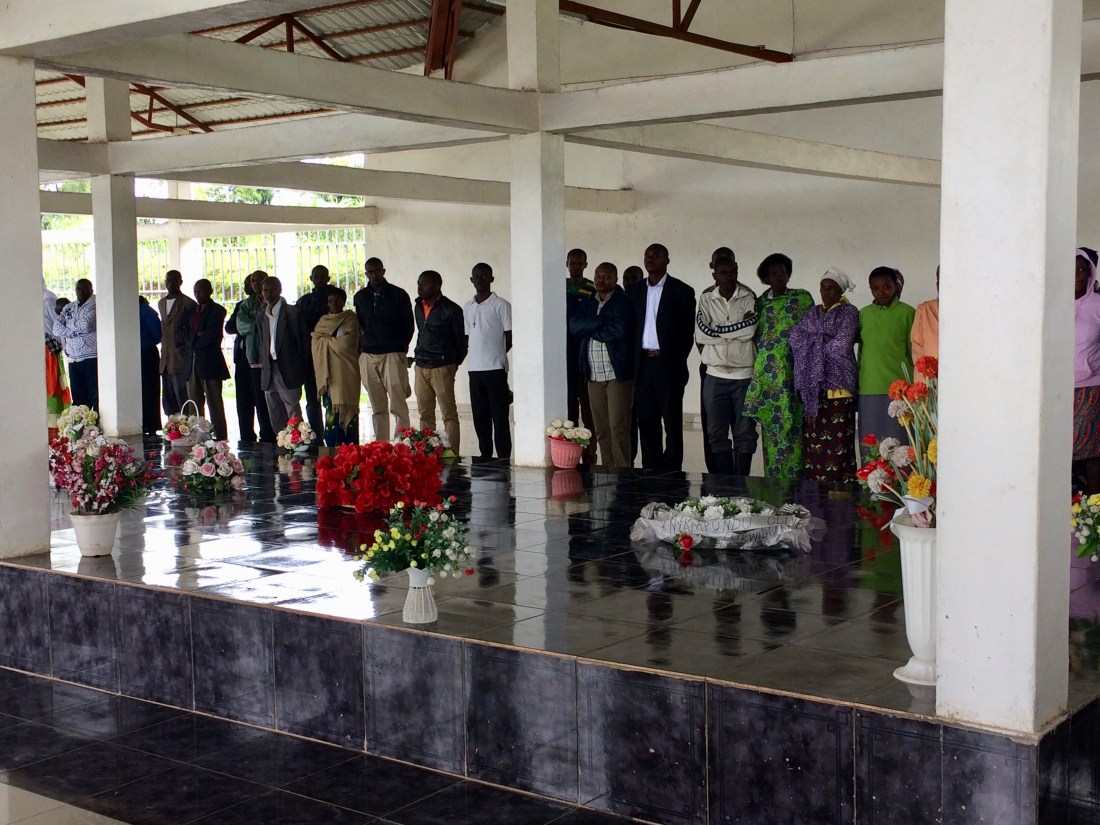
At the memorial, we listened to beautiful, but haunting music that was written for the genocide remembrance. That was followed by speeches in Kinyarwanda by survivors. Although I couldn’t follow what was said, I was moved by the speakers’ emotions. We also listened to a radio address by Rwandan President Paul Kagame. Afterwards, our large group walked to another part of the memorial, where a torch was lit and flowers were laid above the mausoleum where victims’ coffins rest. After another speech, we visited the mausoleum below where close to 200 caskets are covered in white and gray cloths with crosses on them. A few had photographs. One was of an 11 year old girl, a few were of entire families. There was also a pile of the victims’ possessions – clothes, jewelry, books. It was an extremely moving experience.
Here is a link to learn more:
 Ruminations from Rwanda
Thank you for a beautiful and moving description. Keeping the memory alive in this way should, we hope, prevent such atrocities from recurring in the future. Marianne
LikeLike
I read the article and I do so remember that horrific time. I don’t understand how people can do that to one another even husbands to wives and children! Incomprehensible to me. I’ll never understand that kind of inhumanity. I hope those responsible were brought to justice as war criminals.
LikeLike
Thanks. I just watched a PBS special the other day about this. I never knew it was so awful.
On Sat, Apr 7, 2018, 14:55 Ruminations from Rwanda wrote:
> ruminationsfromrwanda posted: “April 7th is “International Day of > Reflection on the 1994 Genocide against the Tutsi in Rwanda.” It was so > designated in January of this year by the United Nations General Assembly. > In Rwanda, the remembrance of the Genocide Against the Tutsi officially” >
LikeLike
I’m glad to see they have a memorial. I read the book “Left to Tell” written by Immaculee Ilibagiza shortly after the genocide describing her horrific experience. She survived with several other people hidden in a small bathroom in a church with the minister’s help for a month or so. Her parents and brothers were killed.
Thank you for sharing your experiences with us. I enjoy reading your beautifully written stories.
LikeLike